
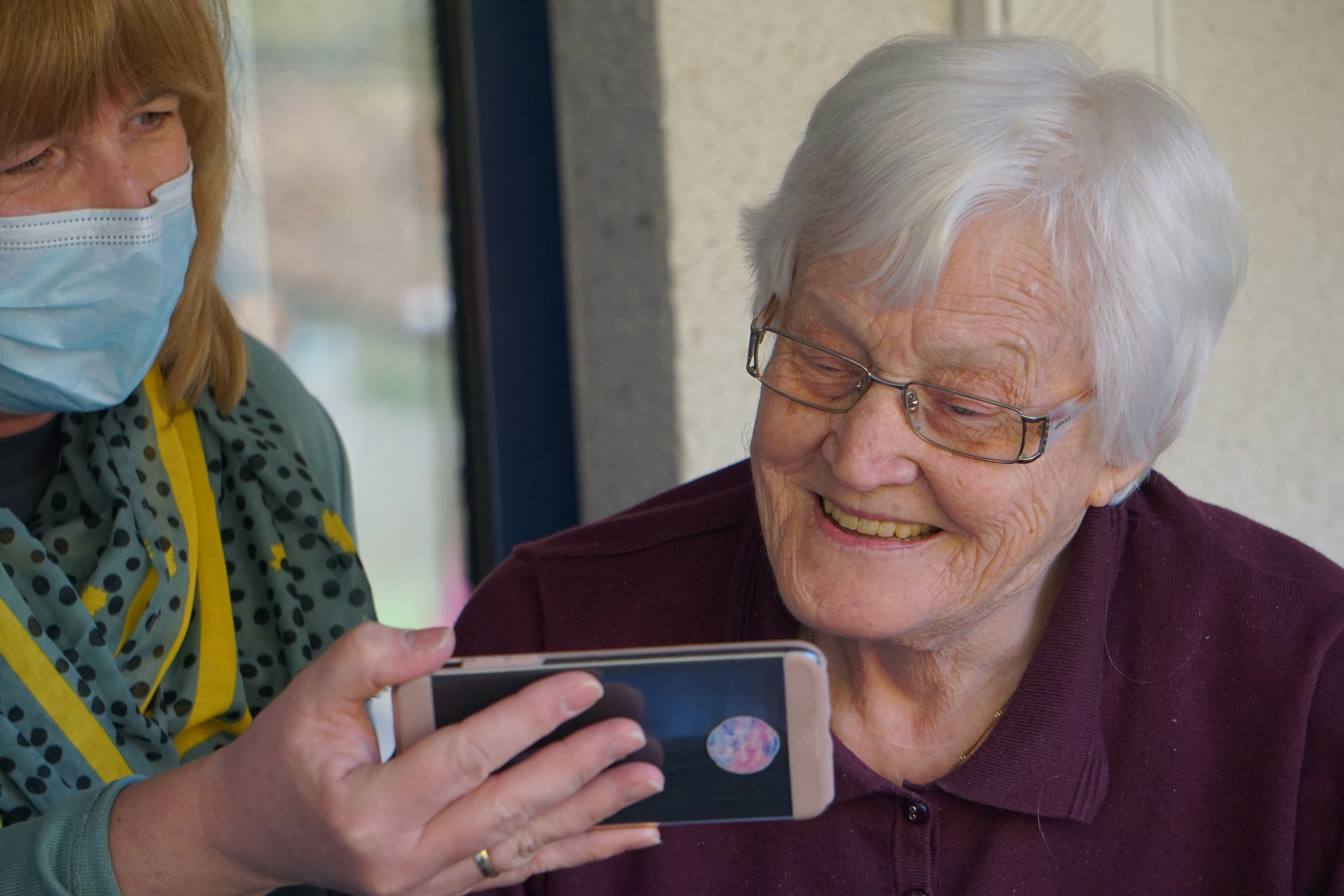
A Long-Term Solution for Aging in Place
Aging in place is a priority for many seniors, but as daily tasks become more challenging, maintaining independence can require additional support. Live-in care is a unique solution that allows seniors to remain in the comfort of their own homes while receiving full-time, one-on-one care from a dedicated caregiver. Unlike 24-hour personal assistance, which involves multiple caregivers rotating shifts, live-in care provides consistency by having the same caregiver present throughout the day and night.
Live-in care is an excellent option for seniors who need continuous support with daily activities but do not require hospitalization or skilled nursing care. Seniors who have chronic conditions such as Parkinson’s, Alzheimer’s, mobility issues, or post-surgical recovery needs often benefit from the stability of a live-in caregiver. Having a familiar and trusted caregiver present at all times creates a sense of security and allows for deeper companionship and trust.
A live-in caregiver assists with all aspects of daily living, including bathing, dressing, grooming, toileting, meal preparation, housekeeping, and transportation. They also provide emotional support, ensuring that seniors stay socially engaged, mentally stimulated, and physically active. Many seniors struggle with feelings of isolation, particularly if they live alone or have limited social interactions. Live-in caregivers serve as companions, offering conversation, emotional reassurance, and encouragement to participate in activities.
One of the major advantages of live-in care is the personalized attention seniors receive. In nursing homes or assisted living facilities, care is often distributed among multiple residents, leading to limited one-on-one time with caregivers. With live-in care, the caregiver is entirely focused on the individual, creating a highly customized and attentive care experience.
Safety is another key benefit of live-in care. Seniors with limited mobility, vision impairments, or memory loss are at a higher risk of falls and medical emergencies. A live-in caregiver is always present to assist with transfers, monitor for signs of distress, and provide immediate help in case of an emergency. This level of care ensures that seniors can live safely and comfortably in their homes without the fear of being alone in times of need.
Families seeking long-term, continuous care for their loved ones often find that live-in care is a more affordable and effective alternative to assisted living facilities. It allows seniors to age in place with dignity, surrounded by familiar comforts and a dedicated caregiver who truly understands their needs.
Live-in care is not just about providing assistance with daily tasks; it is about enhancing quality of life, fostering meaningful relationships, and ensuring that seniors receive compassionate, individualized support in the place they call home.