
Aging in Comfort and Safety
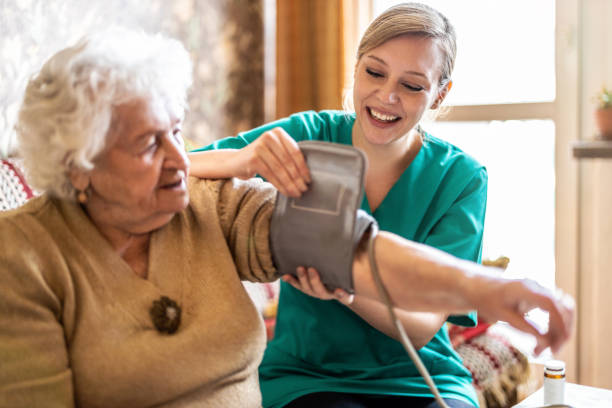
The desire to remain at home for as long as possible is something many seniors express. The comfort of familiar surroundings, the memories associated with a lifetime spent in a home, and the sense of security that comes from staying in a well-known environment contribute to emotional well-being. However, as seniors age, maintaining a home and managing daily responsibilities can become overwhelming. In-home assistance provides the support necessary to allow older adults to continue living safely and independently.
One of the greatest advantages of in-home assistance is that it allows seniors to receive care tailored to their needs. Unlike assisted living facilities or nursing homes, where care is standardized, in-home assistance offers personalized attention. Some individuals may only need help with housekeeping, while others require assistance with meal preparation, personal care, or transportation to medical appointments. This flexibility ensures that seniors receive exactly the support they need without disrupting their daily routines.
Safety is a crucial concern for aging individuals. Falls are one of the leading causes of injury among seniors, and simple household tasks such as climbing stairs, getting in and out of the bathtub, or carrying groceries can pose significant risks. In-home caregivers assist with mobility, ensuring that seniors move safely within their homes. They can also help with home modifications, such as removing tripping hazards or rearranging furniture to create a safer environment.
In addition to physical support, in-home assistance addresses the emotional and social needs of seniors. Isolation and loneliness can negatively impact mental health, leading to depression and cognitive decline. Caregivers provide companionship and encouragement, keeping seniors engaged in conversations, hobbies, and social activities. Maintaining an active mind and a strong sense of connection to others is vital for overall well-being.
For families, in-home assistance provides reassurance that their loved ones are being cared for in a safe and supportive environment. Many adult children live far from their aging parents and worry about their ability to manage daily tasks alone. Professional caregivers serve as an extension of family support, offering peace of mind to relatives who may not be able to provide hands-on care themselves.
Choosing in-home assistance is a proactive step toward ensuring that seniors continue to lead fulfilling lives while receiving the support they need. It is an approach that prioritizes comfort, safety, and independence, allowing older adults to age with dignity and grace in the place they call home.